Since 2026, the restructuring of the global energy pattern and the continuous deepening of the linkage effect of the chemical industry chain have led to simultaneous fluctuations in raw material prices for solvent-based inks and water-based inks, the two mainstream categories in the ink industry, which have become the focus of attention for upstream and downstream enterprises. Driven by multiple factors such as the Middle East geopolitical conflict, petrochemical production capacity adjustment and supply-demand relationship restructuring, the price trend of core ink raw materials has affected the entire industry. As a professional enterprise integrating ink R&D, manufacturing and sales, to help partners accurately grasp the market dynamics of these two mainstream ink categories and scientifically plan procurement plans, our company issues this special market update based on the industrial chain logic, product category differences and industry trends, providing professional reference for industry partners and helping upstream and downstream enterprises operate steadily.

I. Core Logic of the Ink Industry Chain and Differences Between Mainstream Categories
1). Overall Industrial Chain Transmission Logic: Shared Upstream Foundation for Both Ink Types
The core logic behind price fluctuations in the ink industry lies in the rigid transmission effect of the upstream chemical industry chain. The complete basic industrial chain path is: Crude Oil → Naphtha/Propane → Ethylene/Propylene → Ethylene Oxide/Propylene Oxide → Core Raw Materials → Ink. Among them, basic solvent raw materials such as ethylene glycol ethers and propylene glycol ethers are the key link connecting upstream energy and downstream ink production. Their price fluctuations directly affect the overall cost of the industry and serve as the “core barometer” of ink price changes.
2). Solvent-based Inks vs. Water-based Inks: Differences in Raw Material Composition and Cost Drivers
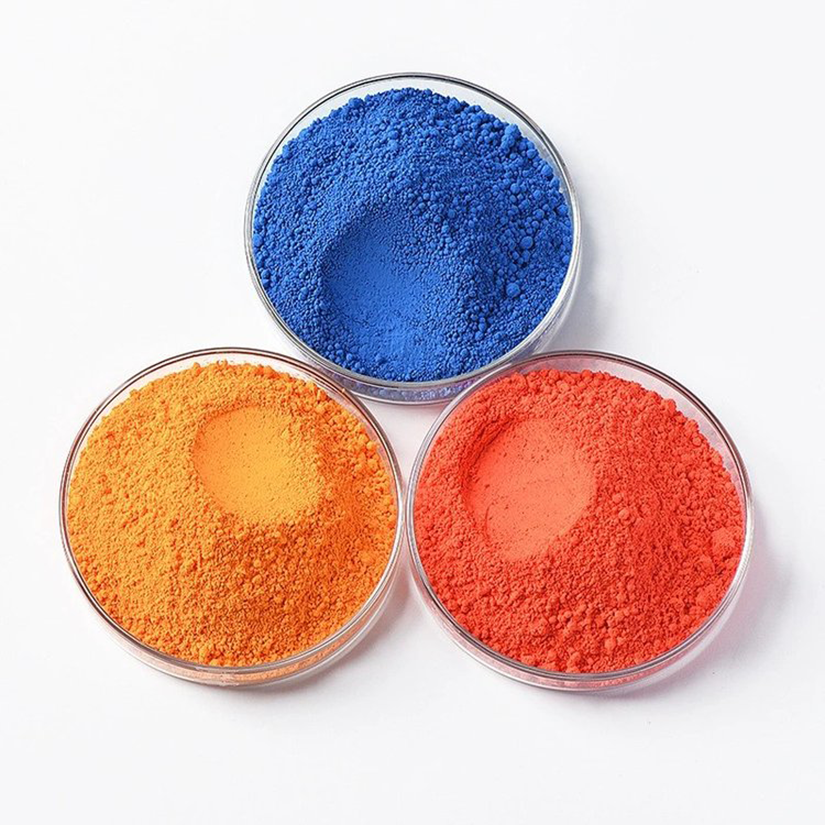
As the two mainstream categories in the industry, solvent-based inks and water-based inks have significant differences in raw material composition and distinct logical drivers for price fluctuations. Both rely on dyes or pigments as core colorants, with the key differences between dyes and pigments as follows: Dyes can dissolve in the ink base, featuring relatively low manufacturing costs and bright colors but poor water and light resistance; pigments are dispersed in the base in the form of solid particles, with higher costs but excellent water and light resistance, making them the mainstream color choice in the current ink industry. The quality of pigments directly depends on the superiority of pigment dispersion technology.

Specifically, solvent-based inks take alcohol ether solvents (such as propylene glycol ethers and ethylene glycol ethers), resins, special additives, and dyes/pigments (selected according to application scenarios) as core raw materials. Their price fluctuations are mainly affected by the price changes of upstream crude oil, naphtha, ethylene and propylene. At the same time, the shrinkage of core solvent supply, rigid transmission of upstream chemical costs, as well as changes in the supply and cost of dyes/pigments, will directly drive their price changes. Water-based inks, on the other hand, use water as the base, combined with glycerin (moisturizing stabilizer), toner (mainly pigment-based colorants), water-based resins, and dyes/pigments as core raw materials. In addition to being affected by upstream chemical raw materials, their price fluctuations are more significantly influenced by the supply and cost changes of glycerin (associated with both petrochemical and oil routes) and dyes/pigments (associated with minerals, organic raw materials and intermediates). Especially with the recent sharp rise in the price of core dye intermediates, the cost pressure of colorants has been further intensified.
Currently, the global geopolitical conflict and petrochemical production capacity adjustment have simultaneously impacted these two mainstream ink categories. Solvent-based inks are facing cost increases due to the tight supply of core solvents, while water-based inks are under pressure from rising prices of key raw materials such as glycerin and toner, forming an industry pattern of “both categories under simultaneous pressure and overall cost increase”.

II. Core Driving Factors of the 2026 Ink Market
Geopolitical Conflict Impact: Tightened Supply of Global Energy and Chemical Raw Materials
The ongoing tense geopolitical situation in the Middle East has directly affected two core global raw material supply chains, exerting a dual impact on the two mainstream ink categories:
- Energy and Basic Chemical Sector: As a major global exporter of crude oil and propane, the Middle East’s geopolitical conflict has led to increased shipping risks in the Strait of Hormuz, soaring shipping costs for crude oil and propane. Coupled with the “geopolitical risk premium” pushing up international oil prices, it has directly driven the price increase of basic chemical raw materials such as naphtha, ethylene and propylene. Among them, the cost of core solvent raw materials for solvent-based inks has risen rigidly, and the cost of some petrochemical-related raw materials for water-based inks (such as glycerin derivatives) has also increased simultaneously.
- Global Supply Chain Sector: The disruption of plastic supply in the Middle East has led domestic basic petrochemical enterprises to give priority to shifting ethylene and propylene production to plastics and fuels to ensure national economy, people’s livelihood and strategic reserves, which has further reduced the supply of solvent-based raw materials and intensified the cost pressure of raw materials for solvent-based inks. At the same time, the global supply of pigments, dyes and oil-based raw materials (associated with toner, glycerin and dye intermediates) has tightened due to geopolitical influences. Combined with the recent sharp surge in the price of core dye intermediates, the prices of dyes and pigments have risen simultaneously, further increasing the colorant cost pressure for both water-based and solvent-based inks.